The divide inside Cuba’s healthcare system
A preserved, non-COVID section of the original site examining neglected public facilities and clinics reserved for foreigners.
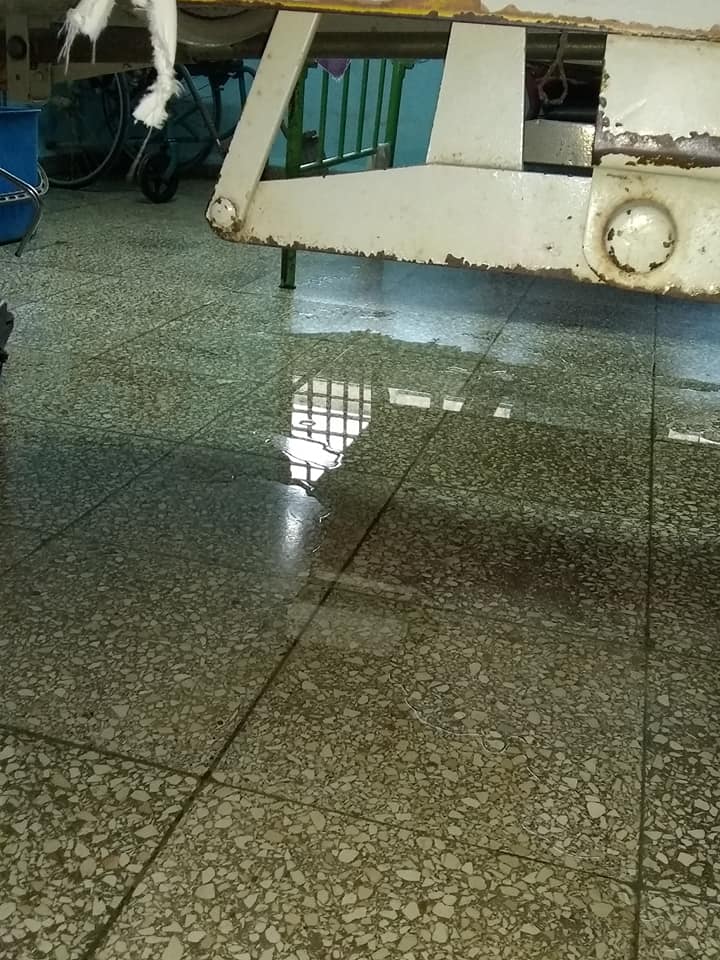
For decades, Cuba’s government has promoted its healthcare system as a central achievement. The original SOS for Cuba project contrasted that public message with images of neglected facilities and a separate standard of care marketed to foreigners.
This migrated article intentionally excludes the former website’s COVID-era material, statistics, claims, and media.
The Mazorra deaths
In January 2010, a cold wave brought temperatures in Havana down to approximately 39°F (4°C). At the psychiatric hospital commonly known as Mazorra, more than two dozen patients died. Contemporary accounts described severe malnutrition, inadequate clothing and blankets, and deteriorated facilities.
The episode became a lasting example of what can happen when vulnerable patients have little public visibility and institutions are protected from independent scrutiny.
Conditions in public facilities
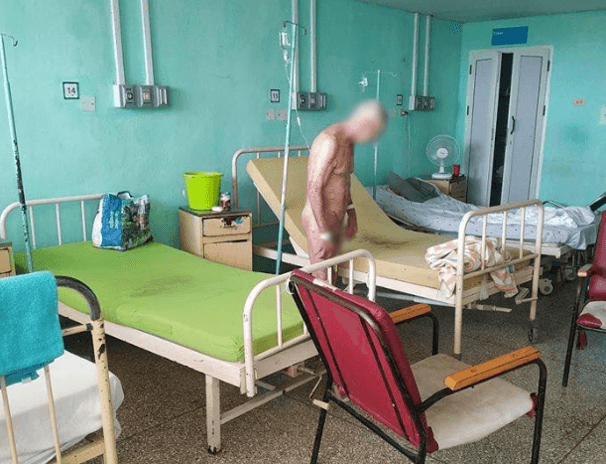
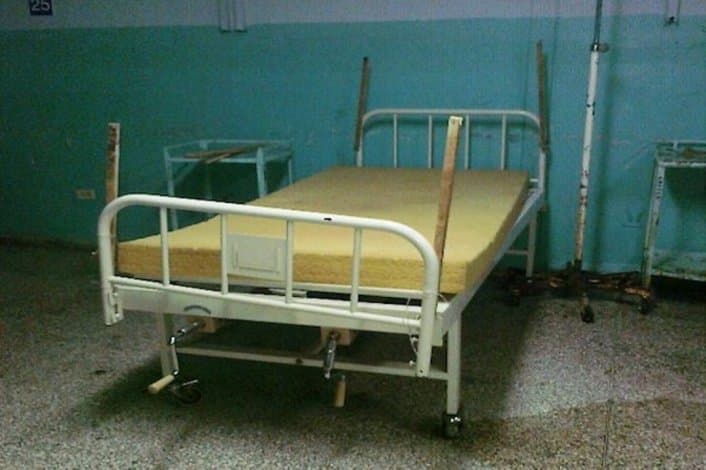
The original site collected photographs shared by Cubans showing broken beds, deteriorated rooms, overcrowded hallways, and unsanitary conditions.
A different standard for medical tourism
Facilities serving diplomats, foreign businesspeople, and medical tourists were presented very differently. The Cira García Central Clinic in Havana advertised private rooms, modern equipment, air conditioning, hot water, satellite television, and other amenities.
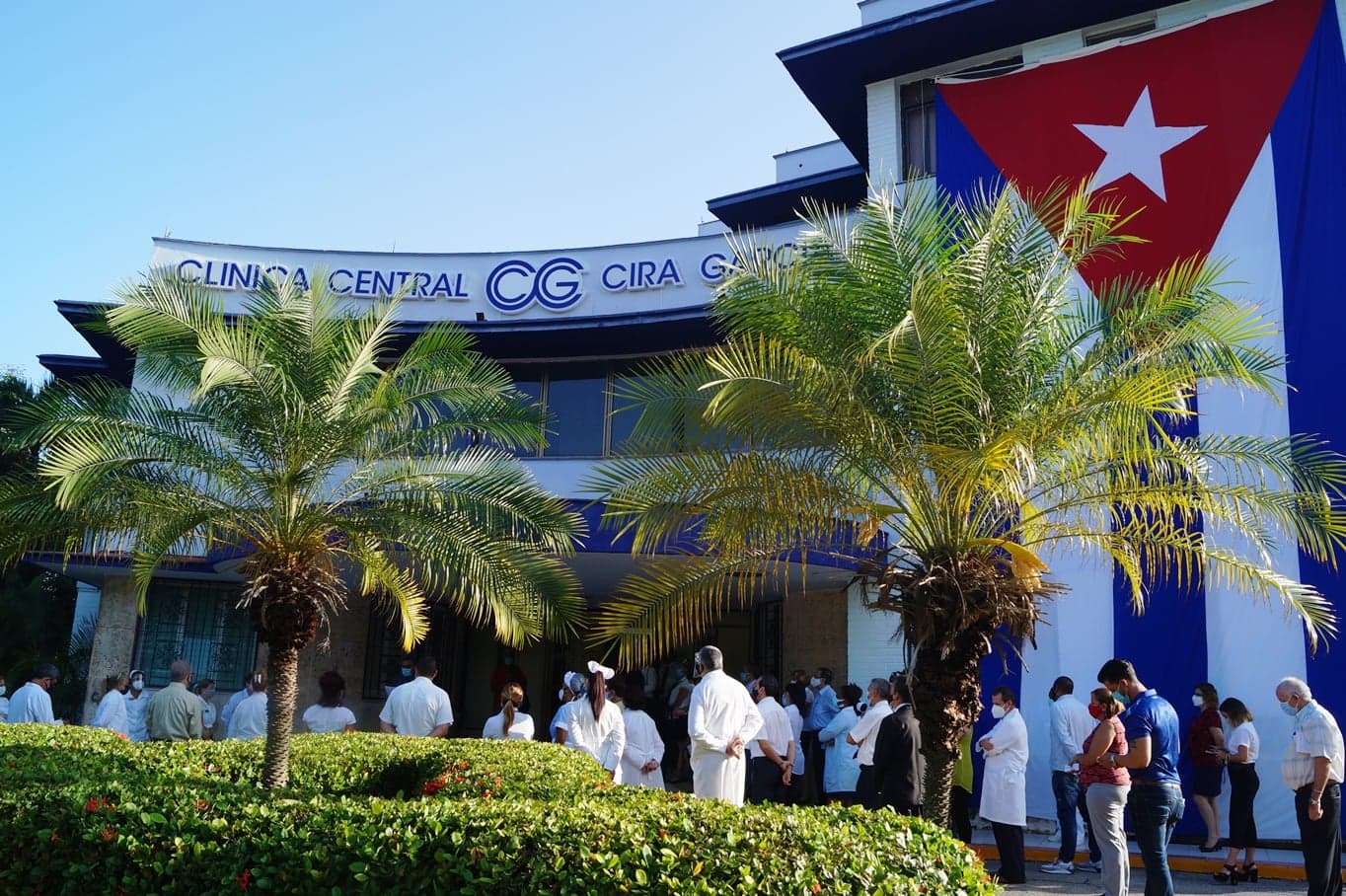
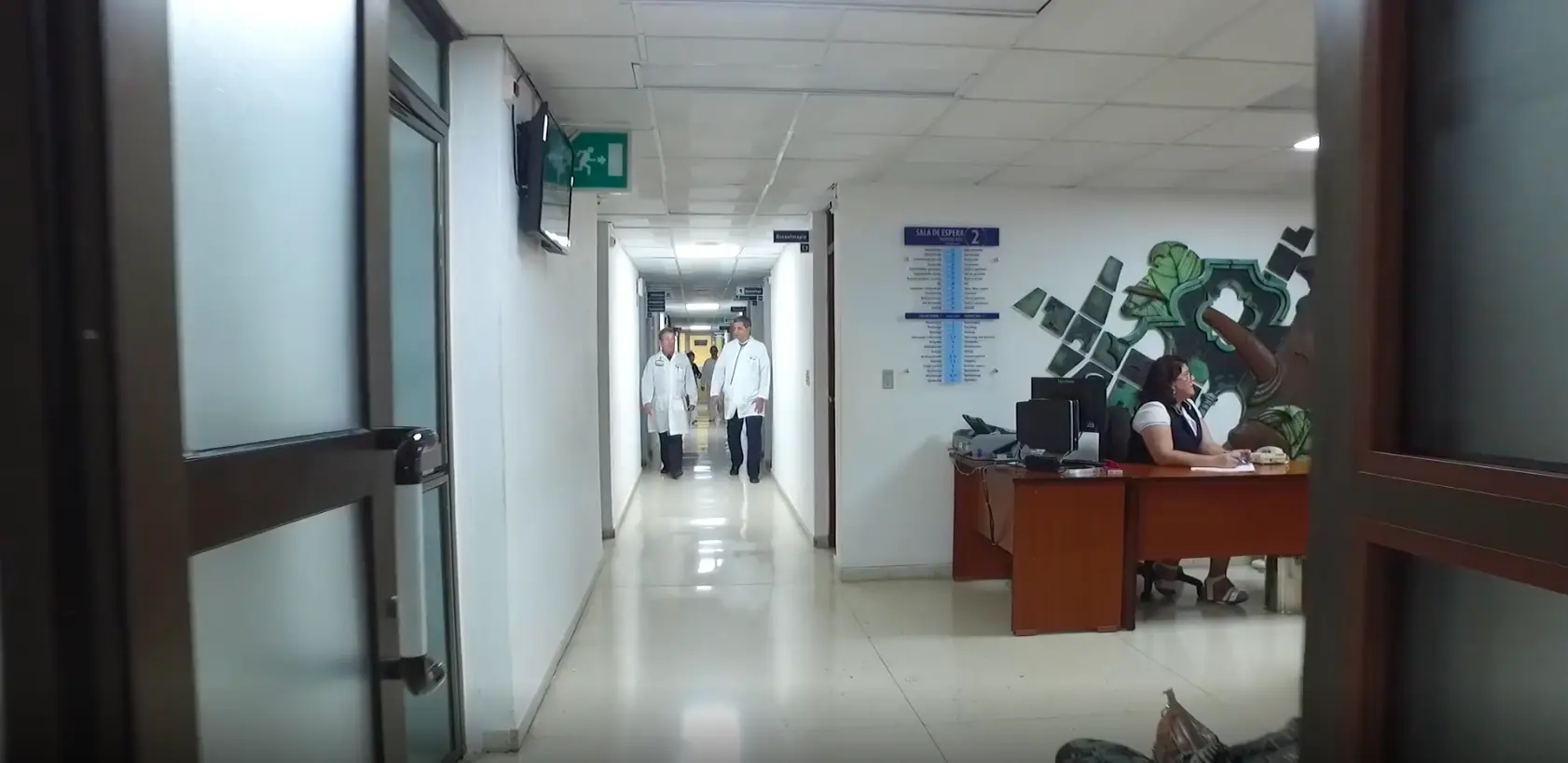
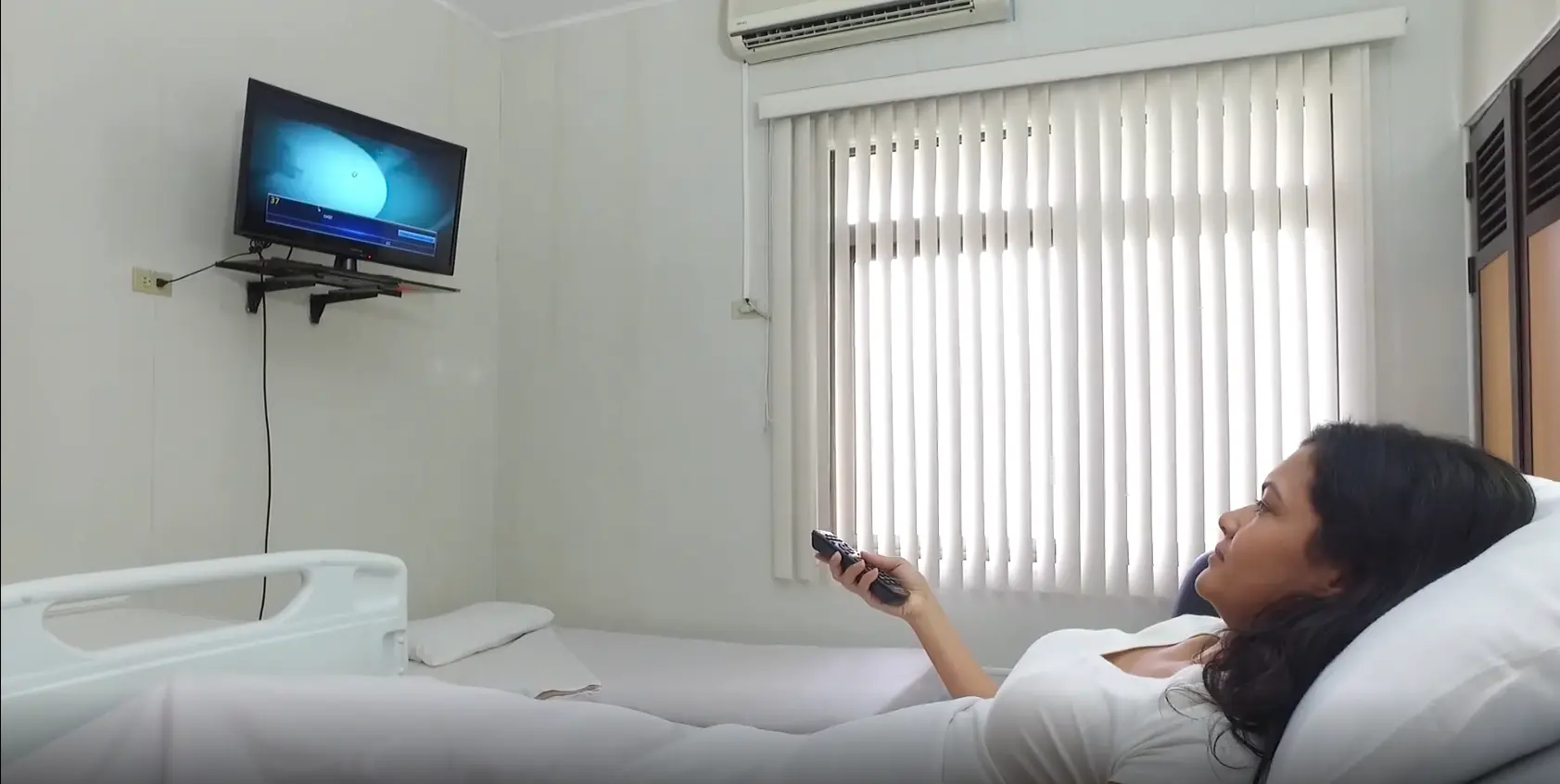
The issue is not that comfortable medical care exists. It is that access, resources, and accountability can diverge sharply between institutions serving ordinary Cubans and those designed to bring foreign currency into the country.