Human-rights concerns in Cuba did not begin with July 11, 2021. They arise from a political system that prohibits competitive national elections, restricts independent media and civil society, and gives state institutions broad authority over speech, association, movement, and economic life.
Areas of concern
The original SOS for Cuba site identified a long pattern of restrictions and abuses, including:
- Restrictions on freedom of speech and expression
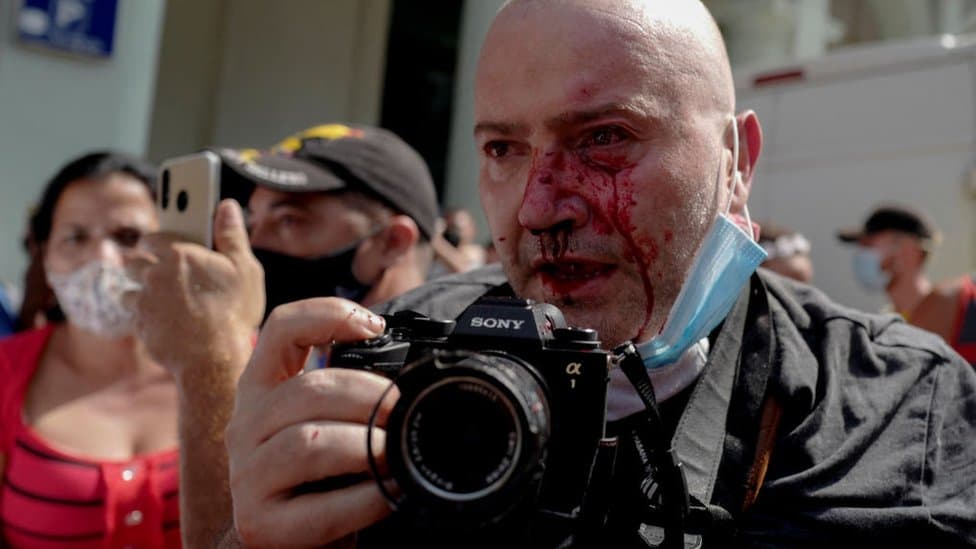
- State control of mass media and pressure on independent journalism
- Restrictions on peaceful assembly and association
- Limits on political pluralism and competitive parties
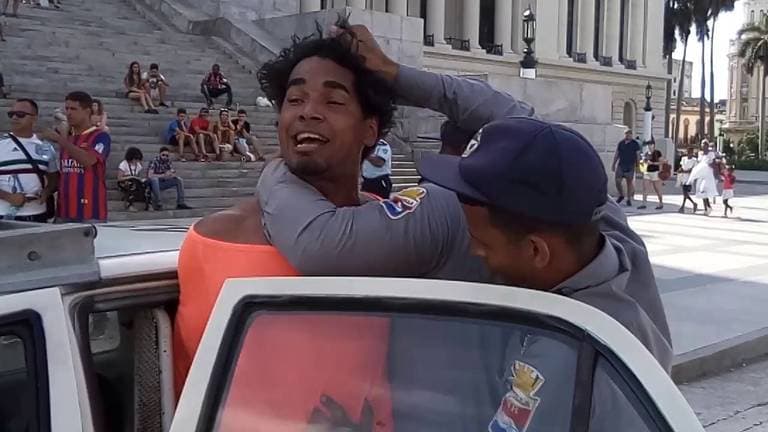
- Arbitrary detention and imprisonment without adequate due process
- Political prisoners and reprisals against dissidents
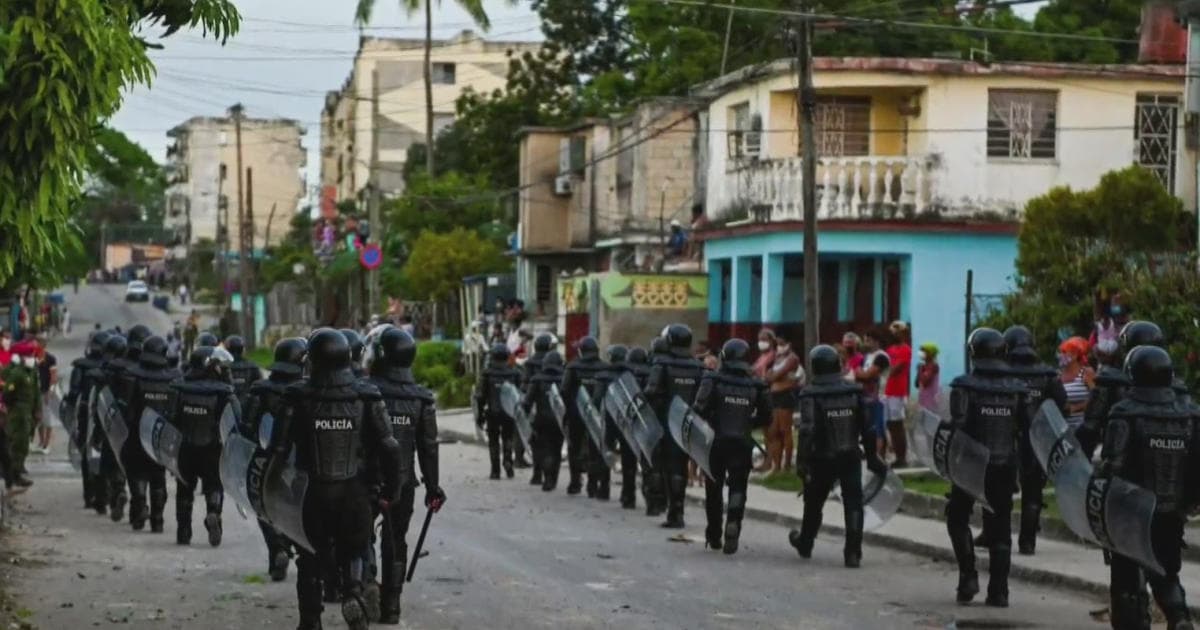
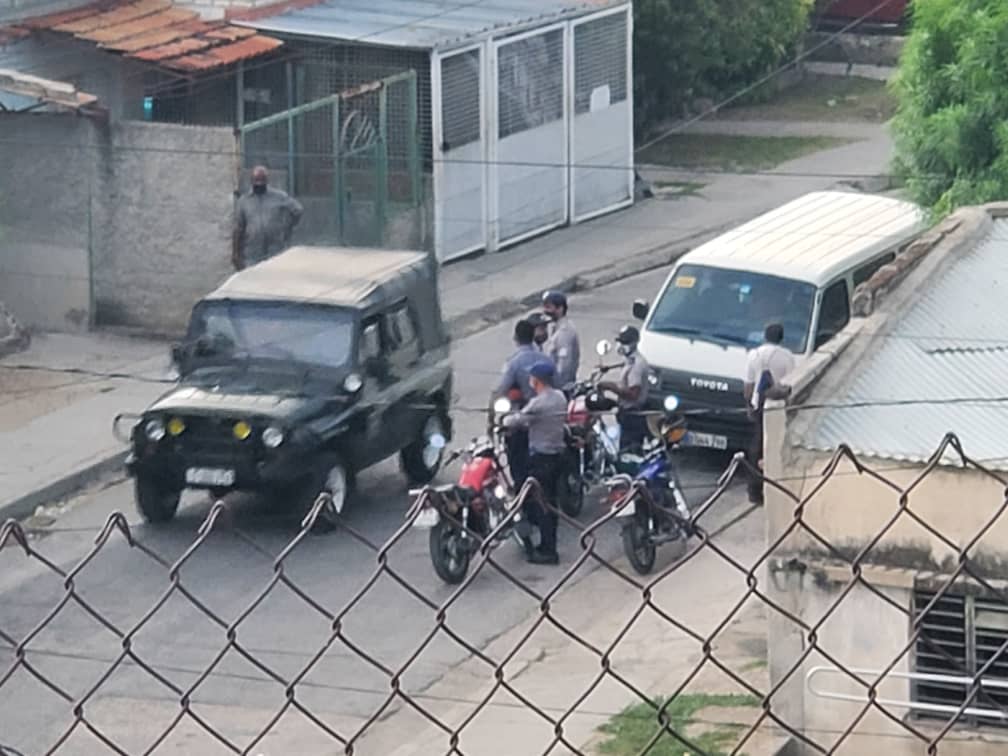
- Police coercion, violence, surveillance, and intimidation
- Restrictions on travel and forced exile
- Pressure on independent religious, artistic, and labor activity
- Control over internet access and the circulation of information
The effect is not confined to formal law. People can face short-term detention, interrogations, fines, job loss, blocked travel, surveillance outside their homes, public repudiation, or pressure on relatives.
A visible pattern
Restrictions in daily life
Over time, Cubans have also faced restrictions on where they may live, how they educate their children, whether they can organize independent political or labor groups, how they operate businesses, and how they distribute information. Some individual rules have changed, but the state’s capacity to grant, withhold, or revoke permission remains central.
For the clearest case study of how these systems operate together, read the July 11 overview.